Thanksgiving is often associated with family gatherings, traditional meals, and an opportunity to appreciate the things that matter most. But beyond the holiday celebrations, it is also a good time to reflect on something essential to our health: proper nutrition.
Did you know that what you eat can influence your body's ability to heal a wound?
Whether you're recovering from surgery, managing a diabetic foot ulcer, living with a chronic wound, or caring for someone who needs ongoing wound treatment, nutrition plays an important role in the healing process.
Your body needs more than just calories to repair damaged tissue. It also relies on protein, vitamins, minerals, and adequate fluids to support collagen production, immune function, healthy skin, and tissue regeneration.
Unfortunately, people with wounds do not always get enough of these essential nutrients. Poor appetite, underlying medical conditions, dietary restrictions, and nutritional deficiencies can make it harder for the body to meet its increased nutritional needs during recovery.
This Thanksgiving 2026, let's take a closer look at the nutrients your body needs for wound healing, why they matter, and how patients, caregivers, and healthcare providers can help support better nutritional health.
Why Nutrition Matters in Wound Healing
Wound healing is a complex biological process that requires the body to coordinate several activities, including inflammation control, tissue repair, new blood vessel formation, collagen production, and skin regeneration.
These processes require energy and specific nutrients.
When you develop a wound, your body increases its demand for certain nutrients to help repair damaged tissue and support its immune response.
For example, protein provides amino acids needed to build new tissue, vitamin C supports collagen formation, and zinc contributes to normal cell growth and tissue repair.
When nutritional intake is inadequate, the body struggles to meet these demands.
Poor nutrition and malnutrition contribute to delayed wound healing, reduced tissue strength, and an increased risk of complications.
This is particularly concerning for individuals with chronic wounds, diabetes, pressure injuries, or wounds that require prolonged treatment.
The right nutritional approach cannot guarantee that a wound will heal, but it can help provide the building blocks your body needs throughout recovery.
5 Essential Nutrients That Support Wound Healing
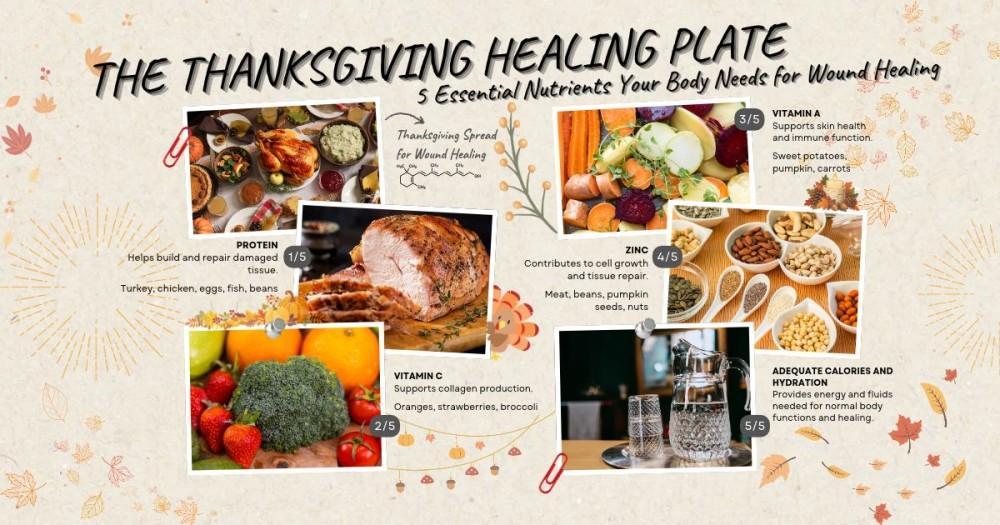
A balanced diet provides several nutrients that work together to support the body's natural healing processes. Here are five important nutritional considerations.
- Protein: The Building Block of Tissue Repair
Protein is one of the most important nutrients involved in wound healing.
When your skin or underlying tissue becomes damaged, your body needs amino acids from dietary protein to build new cells, repair tissue, and produce collagen.
Collagen is a structural protein that helps provide strength and support to healing tissue.
Protein also supports immune function, helping the body respond to infections and other challenges during recovery.
Good sources of protein include:
- Turkey and chicken.
- Fish and seafood.
- Eggs.
- Milk, yogurt, and cheese.
- Beans and lentils.
- Tofu and other soy products.
- Nuts and seeds.
Thanksgiving meals often include turkey, making the holiday a convenient opportunity to enjoy a protein-rich food.
However, protein requirements vary depending on age, body weight, health conditions, kidney function, and the severity of a wound.
- Vitamin C: Essential for Collagen Production
Vitamin C plays a significant role in collagen synthesis, an important process in wound healing.
Collagen helps form the framework of new tissue and contributes to the strength and structure of healing skin.
Vitamin C also acts as an antioxidant and supports normal immune function.
Without enough vitamin C, the body may have difficulty producing healthy collagen.
Foods rich in vitamin C include:
- Oranges and other citrus fruits.
- Strawberries.
- Kiwi.
- Bell peppers.
- Broccoli.
- Brussels sprouts.
- Tomatoes.
Adding fruits and vegetables to meals can help improve vitamin C intake.
For patients with wounds, adequate vitamin C is important, particularly when dietary intake is limited or a deficiency is present.
- Vitamin A: Supporting Skin Health and Immune Function
Vitamin A contributes to normal skin maintenance, immune function, and cell growth.
These functions are important during wound healing because the body needs to produce and maintain healthy cells as damaged tissue is repaired.
Vitamin A also plays a role in the normal inflammatory response, which is one of the early stages of wound healing.
Food sources of vitamin A include:
- Sweet potatoes.
- Carrots.
- Pumpkin.
- Spinach.
- Kale.
- Eggs.
- Dairy products.
Thanksgiving favorites such as sweet potatoes and pumpkin can contribute vitamin A to a balanced meal.
- Zinc: Supporting Cell Growth and Tissue Repair
Zinc is an essential mineral involved in many processes that support wound healing.
It contributes to normal cell division, protein synthesis, DNA synthesis, immune function, and tissue repair.
These functions are particularly important when the body is producing new cells and rebuilding damaged tissue.
Good dietary sources of zinc include:
- Meat and poultry.
- Seafood.
- Dairy products.
- Beans.
- Nuts.
- Pumpkin seeds.
- Whole grains.
People with inadequate dietary intake or certain medical conditions may be at risk of zinc deficiency.
- Calories and Hydration: Fueling the Healing Process
While vitamins and minerals receive considerable attention, adequate energy and fluid intake are equally important.
Your body needs calories to support everyday functions and the additional demands of tissue repair.
When someone does not consume enough calories, the body may use protein for energy instead of directing it toward tissue repair and other important functions.
This can make it more difficult to meet the nutritional demands of wound healing.
Hydration is also important because water supports circulation, nutrient transport, and normal cellular function.
Ways to support adequate energy and hydration include:
- Eating regular, balanced meals.
- Including protein-rich foods throughout the day.
- Eating fruits and vegetables.
- Choosing nutritious snacks when appetite is limited.
- Drinking enough fluids according to your healthcare provider's recommendations.
People with kidney disease, heart failure, or other conditions that require fluid or dietary restrictions should follow their individualized medical advice.
Can Poor Nutrition Delay Wound Healing?
Yes. Inadequate nutrition and malnutrition can interfere with several processes involved in tissue repair.
When the body does not receive enough calories, protein, vitamins, and minerals, it may struggle to maintain normal immune function and produce the new tissue needed for wound closure.
Some possible consequences include:
- Reduced collagen production.
- Impaired tissue regeneration.
- Reduced immune function.
- Increased vulnerability to infection.
- Loss of muscle mass and physical strength.
- Delayed wound healing.
Older adults may be particularly vulnerable to malnutrition because of reduced appetite, difficulty chewing or swallowing, chronic illnesses, medication side effects, and limited access to nutritious meals.
For people with diabetes, chronic wounds, or pressure injuries, inadequate nutrition can create additional challenges during treatment.
This is why nutritional screening and assessment should be considered an important part of comprehensive wound care.
Thanksgiving 2026: How to Build a Healing-Friendly Holiday Plate
Thanksgiving meals can provide many of the nutrients involved in wound healing.
Instead of focusing only on individual foods, think about how different food groups can contribute to a balanced nutritional intake.
Here are some examples:
Protein: Turkey, chicken, fish, eggs, or beans.
Vitamin C: Cranberries, oranges, broccoli, and Brussels sprouts.
Vitamin A: Sweet potatoes, carrots, pumpkin, and leafy greens.
Zinc: Turkey, meat, beans, and pumpkin seeds.
Healthy fats and additional nutrients: Nuts, seeds, and selected plant oils.
A balanced holiday meal can help provide a variety of nutrients, but individual needs differ.
For example, a person with diabetes may need to consider carbohydrate portions and blood glucose management. Someone with kidney disease may need guidance regarding protein, potassium, phosphorus, or other dietary considerations.
The goal is not to follow a restrictive holiday diet. It is to make thoughtful food choices that support your overall health and nutritional needs.
What Patients and Caregivers Should Know About Nutritional Support
Understanding the connection between nutrition and wound healing is important, but putting that knowledge into practice can sometimes be challenging.
Patients may experience reduced appetite, fatigue, difficulty preparing meals, or dietary restrictions that make it harder to consume enough nutrients.
Caregivers can help by:
- Preparing balanced meals with adequate protein.
- Offering nutritious snacks between meals when appropriate.
- Encouraging regular meals and adequate fluid intake.
- Observing changes in appetite or unintentional weight loss.
- Helping patients follow recommended dietary plans.
- Discussing nutritional concerns with healthcare professionals.
If someone has difficulty eating, swallowing, or maintaining their weight, it is important to bring these concerns to their healthcare provider.
A registered dietitian can help identify nutritional gaps and develop an individualized meal plan that considers the patient's medical conditions, wound status, preferences, and dietary requirements.
The Role of Healthcare Providers in Nutrition and Wound Management
For healthcare professionals, Thanksgiving is a timely opportunity to reinforce the importance of nutrition as part of comprehensive wound care.
Wound management should not focus exclusively on dressings, topical treatments, or procedures. It should also consider the patient's overall nutritional status and underlying health conditions.
A multidisciplinary approach involving wound care specialists, physicians, nurses, and dietitians can help address the different factors that influence recovery.
This Thanksgiving, Give Your Body the Nutrients It Needs to Heal
Thanksgiving is a reminder to appreciate the people, experiences, and everyday things that contribute to our well-being.
For someone recovering from a wound, proper nutrition is one meaningful way to support the body's natural healing process.
Protein helps rebuild tissue. Vitamin C supports collagen formation. Vitamin A contributes to skin health and immune function. Zinc supports cell growth and tissue repair. Adequate calories and hydration help provide the energy and resources the body needs.
These nutrients work together as part of a much larger healing process.
Whether you're a patient managing a chronic wound, a caregiver supporting a loved one, or a healthcare professional helping patients recover, remember that nutrition deserves a place in every comprehensive wound care conversation.
This Thanksgiving, enjoy the holiday, appreciate the nourishment on your table, and make your health part of what you're thankful for.
Because healing starts with care, and good nutrition is an important part of that journey.
Need Professional Guidance for a Wound That Isn't Healing?
We understand that successful wound management involves more than treating the wound itself. Nutrition, circulation, underlying health conditions, and appropriate medical care all play important roles in recovery.
Our goal is to help patients understand their wound care needs and receive the support necessary throughout their healing journey.
If you or a loved one is dealing with a wound that isn't healing, speak with a qualified healthcare professional about available treatment and nutritional support options.
Your recovery matters, and we're here to help you take the next step.
Author
 Jenna Wishnew
Dr. Jenna Wishnew is a board-certified general surgeon with over a decade of experience serving the North Dallas community. Known for her compassionate, patient-centered care, she specializes in wound care and hyperbaric oxygen therapy (HBOT), currently serving as Medical Director at the Wound Care and Hyperbaric Center at Methodist Richardson Medical Center.
Dr. Wishnew is a recognized leader in her field, earning two international awards for excellence in wound care. She also has extensive experience managing gastroparesis and Enterra Gastric Stimulators.